A new lawn, planted border or finished garden needs a little care once the work is complete.
This is a big subject, so I will keep it as simple and useful as possible. Every garden is different, and soil, weather, shade, drainage and planting style all make a difference. But if there is one thing that matters most when a new lawn or planted area is trying to establish, it is this:
Water. Water. Water.
Why Garden Aftercare Matters
When we install a new lawn, plants, borders, pots or containers, the work does not stop the moment everything looks finished.
Plants are living things. Turf and seed need time to root. New planting needs time to settle into the soil. Pots and containers dry out faster than borders. Lawns can struggle quickly in dry weather, especially before they are properly established.
Good aftercare protects your investment and gives the garden the best chance to grow properly.
It does not need to be complicated, but it does need to be consistent.
Watering New Lawns and Plants Properly
A quick spray over the surface is rarely enough.
The aim is not to lightly dampen the top of the lawn or border. The aim is to get water down into the soil where the roots need it.
An average garden hose can release a large amount of water over an hour, but that does not mean a plant or lawn has received enough if the water has only passed over the surface. Watering needs patience, especially in dry weather.
As a general guide, newly laid lawns may need regular watering for several weeks while they establish. In dry weather, a sprinkler may need to run for around 20 to 30 minutes over the area it covers, often once or twice a day depending on the conditions.
The best times to water are early morning or later in the evening. Avoid watering in the heat of the day where possible, as it is less efficient and can place extra stress on plants.
A simple way to think about it is this:
Water is cheaper than replacing a lawn.
Watering New Lawns
New turf and lawn seed both need continued watering while they establish. This is especially important during dry weather, warm spells or windy conditions.
The aim is to keep the root zone properly watered, not just the top of the grass. If the lawn is allowed to dry out too much while it is establishing, it can struggle, shrink back or fail in patches.
A sprinkler is usually the easiest way to cover a larger area evenly. Move it around as needed so the whole lawn receives enough water.
Keep an eye on the weather, but do not rely on a light shower to do the job. A short spell of rain may freshen the surface without soaking the soil below.
The benefit of having these products in a real garden setting is simple. You can see how they work together.
Choosing paving from a sample can be helpful, but seeing it alongside planting, timber, structures and garden furniture gives a much clearer sense of how it might feel in your own space.
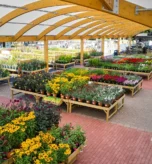
The same applies to plants. A plant on a bench in a garden centre is one thing. A plant used properly in a border, with shape, contrast and structure around it, tells a much better story.
That is what we want this space to do.
Watering Plants, Pots and Containers
With plants, the aim is to water the soil, not just the leaves.
Use a shower-style hose attachment where possible. Avoid a harsh jet, as this can damage soil structure, disturb mulch and be too aggressive around delicate planting.
Try to water around the base of the plant so the moisture gets into the soil. If the surface looks wet but dries quickly, repeat the process. Often the first watering only wets the top layer, especially during dry spells.
Pots and containers need even more attention. Because they sit above ground, wind and heat dry them out much faster than beds and borders. In hot weather, pots may need watering twice a day.
If a pot becomes extremely dry, the compost can shrink away from the sides. When that happens, water may run straight through without properly soaking in. Smaller pots can sometimes be stood in a bucket or tray of water to help them rehydrate.
Feeding Lawns, Borders and Containers
Yes, feeding helps.
When we plant, we use good quality peat-free compost and mycorrhizal fungi to help plants establish well. But over time, soil can become less nutritious, especially in busy borders, pots and containers.
A good organic mulch once a year is one of the best and simplest things you can do.
Mulch helps to:
- Add organic matter back into the soil
- Improve moisture retention
- Support soil life, insects and microbes
- Suppress some weed growth
- Protect roots from harsh weather
Good quality peat-free composts and mulches are usually the better option. The aim is to feed the soil, not just force the plant.
You can also create some organic material in your own garden, such as leaf mould or compost, as long as it is managed properly.
For borders and planting areas, traditional organic feeds can also be useful. Blood, fish and bone is one example. In general, I prefer to avoid overly manufactured chemical products where possible, especially when there are simpler and more natural ways to improve the soil.
And yes, if you can get it, alpaca poo is excellent.
Cutting and Maintaining Your Lawn
Most lawns need cutting regularly through the growing season. These days, that can even continue into November or December depending on the weather.
The season often starts around March, but the exact timing depends on conditions.
One of the most common mistakes is cutting the lawn too short. This stresses the grass and weakens the sward. Letting the grass grow too long and then taking too much off in one cut can also cause problems.
Little and often is usually better.
If conditions are very dry, you may need to cut less often. In normal growing conditions, weekly cutting is usually about right for many lawns.
Strimming, Mowing and Mower Choice
Strimming matters more than people think.
Strim before mowing so the mower can collect the cuttings. It also helps protect lawn edges and makes mowing easier, especially around borders, paths and awkward corners.
Use soft cord where possible. It wears faster, but it is less likely to damage tree bark, edging, fencing and garden features.
When mowing, try to change direction each time. For example:
- Cut lengthways one week
- Cut sideways the next
- Cut diagonally the time after
This helps avoid ruts, wear lines and repeated pressure in the same places.
For many customers, I recommend battery-powered mowers such as EGO. They are practical, easy to store, low maintenance and avoid the need for petrol. Some also have roller attachments, which can help press the sward and encourage sideways growth.
Robot mowers can also be a very good option. People often say they enjoy cutting the lawn, but the reality is that weather, weekends away and busy lives often get in the way. A robot mower can cut little and often, which can be better for the lawn and far easier to manage.
Why a Wilder Lawn Can Be a Good Thing
Not every part of a lawn needs to be kept short.
Leaving an area uncut can be excellent for wildlife and much easier to maintain. You might cut paths through longer grass or allow one section to become more natural.
A wilder area usually only needs cutting and collecting once a year, often around mid to late September. It can support insects, improve biodiversity and reduce the amount of mowing needed.
You could even consider a wildflower meadow area if the space and conditions suit it.
Pruning and Border Maintenance
Pruning can feel daunting, but it does not need to be.
The main difference between someone experienced and someone just starting out is usually confidence. A professional knows when a plant can take a harder prune and when it needs a lighter touch.
As a general rule, much of the heavier pruning, dividing and border maintenance is best done in the colder months when many plants are dormant. It also makes summer easier because the harder work has already been done.
Always use sharp tools. Cut cleanly. Where possible, cut at an angle so water does not sit on the wound.
For many mature plants, if something is in the way, prune it. It is your garden and you need to be able to use it.
Some plants do need specific timing, of course. Roses and hydrangeas are the usual ones people ask about. With hydrangeas, it is often best to wait until the risk of frost has passed before cutting back. With roses, pruning is often about shape, strength and encouraging good growth.
Dead stems and grasses can also be left over winter if you like the look of them and want to support wildlife. I often prefer to cut them back just before spring.
Need Specific Garden Aftercare Advice?
This article gives general advice, but every garden is different.
Soil type, planting style, shade, drainage, wind exposure and how you use the garden all affect what your lawn and plants need.
If we have completed a project for you, we are always happy to talk through aftercare in more detail. We can also advise on irrigation, watering systems, soil improvement, lawn care, pruning and seasonal maintenance.
The key thing is simple: a new garden needs care while it settles in.
Do that properly, and you give it the best chance to become the garden it was designed to be.
About the author: